
Introduction: The Scenario, the Numbers, and the Question
I’ll start plainly. A residential storage unit is not a backup toy; it is a regulated asset that must balance charge, discharge, and protection states under changing load and tariff rules. In practice, a battery energy storage system for home sits between your panel and your habits, translating kilowatt-hours into lower bills and fewer outages. When the sun dips at 6:12 p.m. and the oven kicks on at 4.3 kW, the system either carries the spike or folds. I have seen both outcomes. Data from my jobs in San Diego County last summer showed a 19–23% bill cut on E-TOU-C when depth of discharge and inverter limits were set correctly. But here’s the catch—most “simple fixes” miss the true bottleneck. Are we changing a setting, or correcting a design flaw baked into the hardware?

Look, the pieces are not mystical. Traditional add-ons—an oversized AC-coupled inverter, a budget BMS, or a mismatched microinverter string—often create conversion loss, poor depth of discharge (DoD) control, and ugly heat buildup. On February 17, 2021, north of Austin during the freeze, I inspected a garage install that failed to island because the power converter’s transfer time exceeded the furnace board’s tolerance by a fraction of a second—small number, big consequence. That sight frustrated me because the homeowner did “everything right,” but the spec stack was wrong. We fixed it with a faster transfer profile and a tighter state of charge (SoC) reserve, and outage survival jumped from 42 minutes to 3 hours 11 minutes. I prefer solutions that solve the root: right chemistry, right control window, right inverter-class behavior. Otherwise, tweaks are theater—useful for show, not for storms. Let’s put that under a brighter light.
Comparative Principles: Where New Tech Changes the Baseline
What’s Next
From where I stand, the step-change is not in the app. It’s in how the pack, the BMS, and the inverter share authority. Newer lithium iron phosphate stacks with smarter firmware hold a dynamic SoC buffer that shifts with load volatility, rather than a fixed 20% reserve. Pair that with faster fault detection on the DC side and you reduce nuisance trips without running hot. In a 10 kWh wall-mount I commissioned in Fresno in July 2023, adaptive reserve plus a 1C-capable power stage lifted usable capacity by 11% during peak windows. When we compare that to an older AC-coupled box, round-trip efficiency improved at partial load, not just at nameplate—yes, that tiny spec sheet line matters. And when people ask why their “bigger inverter” did less, I show them the trace: fewer conversions, fewer losses, steadier thermal profile.
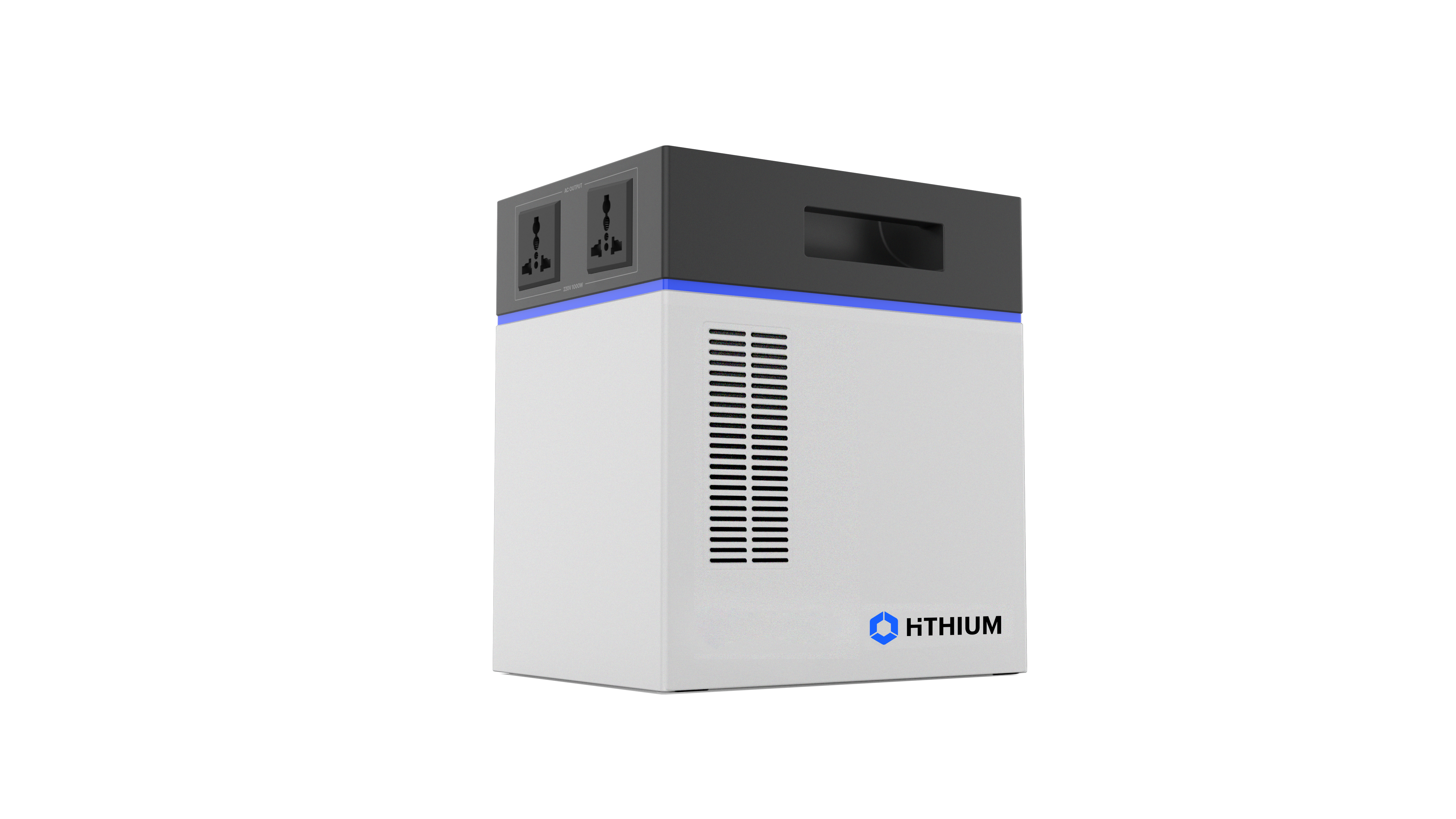
This is where a modern battery energy storage system for home earns its keep. Grid-forming modes stabilize short spikes; power converters with tighter response help sensitive devices ride through; and a sane DoD strategy prevents the Saturday-morning brownout when the dryer and EV charger collide. I remember a March 2022 retrofit in Flagstaff: the owner wanted “just one more battery.” We chose instead to reconfigure for DC coupling and recalibrate charge windows. Result: the same 13.5 kWh on paper, but 28% more peak-shaving effect across three months, verified on the utility portal. That is why I tell installers and homeowners to compare principles, not slogans—because the quiet wins come from control logic, not larger stickers on the box.
If you want a quick, responsible way to judge options, use three metrics that do not bluff. First, effective usable capacity at your real temperature range, not lab-perfect numbers (measure it in January and July). Second, surge and transfer behavior under your worst appliance start—log a 1-second profile and check the inverter’s ride-through. Third, partial-load round-trip efficiency at 500 W to 1.5 kW, since that’s where homes live most days. When those three line up, the rest usually follows— and I still have the field log in my truck. That is my bar after 17 years of installs, service calls, and a few late-night resets I’d rather forget. If you need a place to start comparing, keep an eye on manufacturers that publish those specifics, including HiTHIUM.